
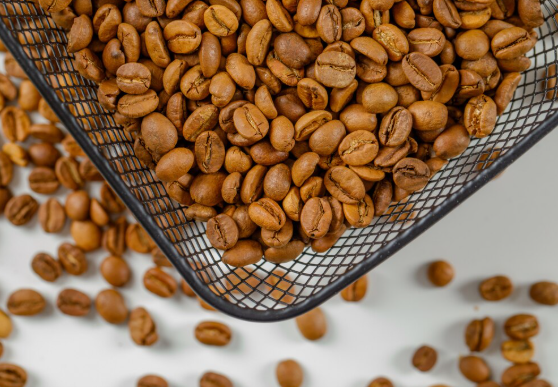
Selecting light roast Colombian coffee is often framed as a matter of taste, yet the underlying decision is more structural. It reflects how coffee drinkers interpret quality, origin, and roasting philosophy. From our perspective, the distinction between lighter and darker profiles is not simply sensory, it is about how much of the bean’s intrinsic character is preserved versus transformed. While some consumers gravitate toward premium dark roast coffee for its familiarity and intensity, others begin to explore lighter roasts as a way to understand the coffee itself more clearly.
Interpreting Roast Levels Beyond Preference
We have observed that many conversations around roast levels are simplified into strength versus smoothness. This framing misses the deeper point.
Light roasts are not inherently weaker, nor are dark roasts inherently stronger. What changes is the degree to which roasting alters the original bean. In a lighter roast, more of the agricultural story remains intact. In darker profiles, the roasting process becomes more dominant.
Experiences like this reveal something broader about the industry. Many consumers are not choosing between roast levels, they are choosing between transparency and consistency. The former exposes variation, while the latter standardizes it.
This explains why light roast Colombian coffee is often associated with clarity and nuance. It allows the drinker to encounter the work done at origin, from cultivation to processing.
The Variables That Shape Light Roast Outcomes
Producing a consistent light roast requires more precision than is often assumed. The margin for error is narrower, and the variables are less forgiving.
From our experience, three factors play a defining role:
- Bean Density and Elevation
Higher altitude beans tend to handle light roasting better. They retain structure and develop complexity without becoming underdeveloped. - Processing Method
Washed, natural, and honey processes each respond differently to lighter roasting. A natural process may express fruit-forward notes, while a washed coffee highlights acidity and clarity. - Roasting Control
Small adjustments in temperature curves can significantly alter the final profile. Light roasting is less about stopping early and more about managing development with precision.
An industry pattern emerges here. As demand for traceability increases, the tolerance for imprecise roasting decreases. The more transparent the coffee, the more accountable the roasting process becomes.
A Practical Framework for Roast Selection
Choosing between roast levels becomes easier when approached through a structured lens rather than preference alone.
We often think about it in three dimensions:
| Consideration | Light Roast | Dark Roast |
| Flavour Expression | Origin-driven, nuanced | Roast-driven, bold |
| Consistency | Variable, seasonal | More standardised |
| Brewing Flexibility | Requires adjustment | More forgiving |
For someone evaluating options, the decision can be framed as follows:
- Choose light roast when the goal is to explore origin characteristics.
- Choose dark roast when consistency and familiarity are priorities.
- Consider medium profiles when balancing both.
Interestingly, many who begin with premium dark roast coffee eventually move toward lighter profiles. Not because one is better, but because curiosity evolves.
Translating Roast Profiles Into Daily Use
A common misconception is that light roasts are difficult to work with in everyday settings. While they do require some adjustment, the shift is not as complex as it appears.
Key considerations include:
- Grind Size
Slightly finer grinds help extract the nuanced flavours in lighter roasts. - Water Temperature
Higher temperatures often work better to fully develop the profile. - Brewing Method
Pour-over and filter methods tend to highlight the clarity of light roasts, while espresso can amplify their brightness when dialled in correctly.
From an operational standpoint, this has implications beyond the home. Cafés and restaurants that introduce light roast Colombian coffee into their offerings often need to rethink training and calibration.
Experiences like this reveal something broader about the industry. Equipment and technique are not neutral tools, they actively shape the final experience. As coffee becomes more origin-focused, preparation becomes part of the narrative.
Reframing Quality in Modern Coffee Choices
Quality in coffee is no longer defined by intensity alone. It is increasingly tied to transparency, process, and alignment with personal preference.
This shift has created an interesting tension. On one hand, premium dark roast coffee continues to serve a large audience that values familiarity and depth. On the other, lighter roasts are redefining what quality can mean when the focus shifts upstream.
We have seen this play out in conversations with customers who initially seek something reliable. Over time, many begin asking different questions. Where is the coffee from, how was it processed, why does it taste different this time.
These questions signal a broader evolution. Coffee is moving from a product to an experience shaped by multiple variables.
Another observation emerges here. The more informed the consumer becomes, the less relevant simplistic labels are. Terms like “strong” or “smooth” give way to more specific descriptors.
This is where light roast Colombian coffee finds its place. Not as a replacement for darker profiles, but as part of a wider spectrum that allows for more intentional choices.
Takeaway: Precision Over Preference
The choice between light and dark roast is often presented as a matter of taste. In reality, it reflects a deeper decision about what one values in coffee.
Light roasts emphasize origin, process, and variation. Dark roasts emphasize consistency, familiarity, and control. Neither is inherently superior.
The more useful perspective is to understand what each approach offers and where it fits within a broader experience. As expectations continue to evolve, the distinction between roasting styles becomes less about hierarchy and more about alignment.
FAQs
What defines light roast Colombian coffee?
Light roast Colombian coffee is defined by shorter roasting times that preserve the bean’s original characteristics. This results in higher acidity, more pronounced origin flavours, and a lighter body compared to darker roasts.
Is light roast stronger than premium dark roast coffee?
Strength depends on how it is measured. Light roasts often contain slightly more caffeine by weight, but premium dark roast coffee typically tastes stronger due to its bold, roasted flavour profile.
Why does light roast coffee taste more acidic?
The perceived acidity comes from natural compounds preserved during lighter roasting. These contribute to brightness and complexity, especially in high-quality Colombian beans.
Is light roast harder to brew correctly?
Light roasts can require more precise brewing adjustments, such as finer grind sizes and higher water temperatures. However, with small changes, they can be just as approachable as darker roasts.
Who should choose premium dark roast coffee instead?
Those who prefer consistent, bold flavours with less variability often gravitate toward premium dark roast coffee. It is also more forgiving across different brewing methods and equipment.
Can light and dark roasts be used interchangeably?
They can, but the results will differ. Light roasts highlight origin characteristics, while dark roasts emphasize roast-driven flavours. The choice should align with the desired experience rather than convenience alone.