
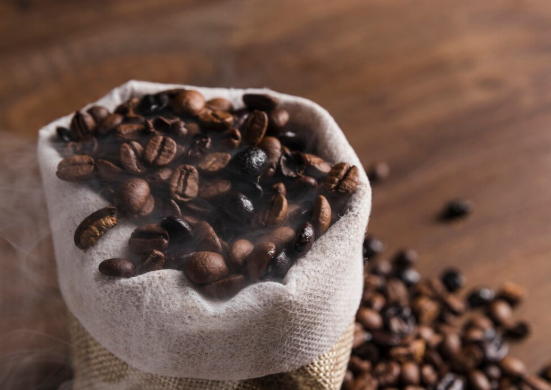
Colombian dark roast coffee beans are specialty-grade beans from Colombia that have been roasted to a deeper development level to emphasize body, chocolate notes, and low perceived acidity while preserving structural balance. The best versions maintain origin integrity without tasting burnt or flat. When searching for the best Colombian dark roast coffee, the real differentiator is not colour alone, but bean quality, roast control, and freshness discipline.
As producers working directly with Colombian supply chains, we evaluate dark roast through performance metrics, not marketing language. Below is how we guide buyers in Canada to think about it.
1. What Dark Roast Means in a Colombian Context
Dark roast is often misunderstood as a roasting style that overrides origin. In practice, well-executed Colombian dark roast coffee beans retain structural sweetness while developing deeper caramelization.
In Colombia, many high-altitude beans begin with strong density and internal sugars. That density matters. It allows us to roast darker without collapsing the structure.
Poorly sourced beans tend to turn smoky and hollow at darker development levels. Well-grown Colombian lots retain:
- Chocolate depth
- Mild fruit undertones
- Rounded body
- Controlled bitterness
The origin matters before the roast ever begins.
2. How to Identify the Best Colombian Dark Roast Coffee
When customers ask us what defines the best Colombian dark roast coffee, we break it into three filters: green quality, roast execution, and post-roast handling.
1. Green Coffee Quality
We look for:
- High-altitude growth
- Consistent screen size
- Clean processing
- Transparent sourcing
Colombia’s structured grading system helps, but not all export-grade coffee meets specialty thresholds.
1. Roast Development Control
Dark roasting requires precision timing. The margin for error narrows.
We track:
- Rate of rise consistency
- Internal bean temperature stability
- Development percentage relative to density
If the roast is rushed, the surface darkens while the interior remains underdeveloped. If overextended, sugars degrade excessively.
1. Post-Roast Integrity
Dark roast oils surface more quickly. That makes freshness management critical.
For Canadian buyers, storage conditions in winter and summer differ significantly. Proper packaging and realistic consumption cycles matter more than roast colour alone.
3.Structural Markers of High-Quality Colombian Dark Roast Coffee Beans
Many commercial descriptions rely on adjectives. We prefer measurable outcomes.
| Evaluation Factor | What to Look For | Why It Matters |
| Bean Density | Uniform weight and hardness | Handles darker roasting without hollow flavour |
| Evenness of Roast | Minimal colour variation | Signals controlled heat application |
| Aroma Post-Grind | Chocolate, nut, mild spice | Indicates sugar development, not carbonization |
| Brew Clarity | Full body without ashiness | Shows roast discipline |
| Finish Length | Lingering cocoa, low sharpness | Reflects balance |
The best Colombian dark roast coffee should taste intentional. Burnt is not bold. Bitter is not strong.
4. Dark Roast vs Origin Character: A Common Misconception
A frequent assumption is that dark roast eliminates origin nuance. That is partly true in commodity systems.
However, high-elevation Colombian lots retain structural sweetness even at deeper roast levels. In our experience, the goal is not to preserve bright acidity but to maintain internal balance.
Dark roast is a stylistic lens. It should not erase identity.
The real risk lies in over-reliance on roast level to mask mediocre green coffee. When origin quality is low, darker roasting becomes a correction strategy rather than a flavour choice.
This distinction separates average dark roast from the best Colombian dark roast coffee.
5. Freshness, Storage, and Brewing Outcomes in Canada
Climate influences brewing behaviour. In Canadian winters, indoor air is drier. In summer, humidity rises.
Colombian dark roast coffee beans release carbon dioxide rapidly after roasting. That affects extraction timing.
We typically recommend:
- Rest period of 5 to 10 days post-roast
- Airtight storage away from light
- Grinding just before brewing
For espresso drinkers, darker roasts can offer improved crema stability. For drip brewing, grind consistency becomes essential to avoid over-extraction.
Yield efficiency is another overlooked factor. A well-structured dark roast can deliver strong flavour with standard dosing. Poorly roasted beans often require heavier dosing to compensate for flat taste, increasing cost per cup.
Quality influences economics.
6. Where the Dark Roast Market Is Heading
Canadian buyers are becoming more selective. Over the past decade, light roast dominated specialty conversations. That phase is balancing out.
We are seeing renewed demand for structured dark roast that does not sacrifice quality.
The next three to five years will likely bring:
- Greater transparency around farm relationships
- Traceable microlot dark roasts
- Increased focus on roast-date integrity
- Education around brewing compatibility
Colombian producers are also adapting. Many farms now experiment with fermentation methods that hold sweetness even under deeper roast development.
The definition of best Colombian dark roast coffee is evolving from intensity toward sophistication.
The Crux
Colombian dark roast coffee beans represent a deliberate balance between origin strength and roast development. The best versions preserve density, sweetness, and structure rather than relying on smoke or bitterness.
For Canadian buyers, the decisive factors are green coffee quality, controlled roast execution, and disciplined freshness management. Dark roast should amplify depth, not conceal flaws.
When evaluated through structure rather than marketing claims, quality becomes clear.
FAQ
What makes Colombian dark roast coffee different from other dark roasts?
Colombian dark roast coffee often benefits from high-altitude bean density and structured grading systems. This allows deeper roast development without collapsing flavour integrity. The result is balanced body and chocolate notes rather than excessive bitterness.
Is the best Colombian dark roast coffee less acidic?
Dark roasting reduces perceived acidity, but quality versions still retain internal sweetness. Acidity should be softened, not eliminated. Flat flavour usually indicates over-roasting or low-quality green beans rather than proper dark development.
Are Colombian dark roast coffee beans good for espresso?
Yes, when roasted correctly. They provide crema stability, strong body, and chocolate depth. However, roast precision matters. Overdeveloped beans may taste harsh in high-pressure extraction systems.
How fresh should Colombian dark roast coffee beans be?
Ideally consumed within four to six weeks of roasting. Dark roast releases gas faster than lighter roasts, so proper rest and airtight storage are important for consistent brewing performance.
Does darker roast mean stronger caffeine content?
No. Roast level does not significantly increase caffeine. Perceived strength comes from flavour intensity. The best Colombian dark roast coffee delivers bold taste without relying on caffeine variation.